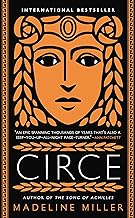
In the vast pantheon of Greek mythology, few figures have been as compellingly reimagined in modern literature as Circe, the enchantress of Aeaea. Once relegated to a supporting role in Homer's Odyssey, she has been thrust into the spotlight by author Madeline Miller in her bestselling novel, simply titled Circe. This profound work of mythological fiction has sparked a renaissance of interest in ancient tales, offering a fresh, feminist perspective that resonates deeply with contemporary readers.
The Heart of the Story: A Goddess Reclaimed
Madeline Miller's Circe is not just a retelling; it's a reclamation. The novel gives voice to a character who was often portrayed as a villain or a mere obstacle for Odysseus. Miller delves into Circe's origins as a nymph, daughter of the sun god Helios, who is scorned for her mortal-like voice and lack of divine power. Her discovery of witchcraft—pharmaka—becomes her source of strength and autonomy, leading to her famous exile on the island of Aeaea. The narrative masterfully explores themes of power, loneliness, agency, and resilience, transforming Circe from a sorceress who turns men into pigs into a complex, sympathetic heroine navigating a world ruled by capricious gods.
Beyond Circe: Madeline Miller's Mythological Universe
The success of Circe has drawn immense attention to Miller's earlier work, The Song of Achilles: A Novel (P.S.). This award-winning book reimagines the Trojan War through the poignant love story of Achilles and Patroclus. Together, these novels form a powerful duo that redefines Greek mythology for a new generation. For those who wish to immerse themselves fully, the Circe and The Song of Achilles By Madeline Miller 2 Books Collection Set is the perfect way to experience both masterpieces.
The trend of feminist retelling extends to other powerful women of myth. Costanza Casati's Clytemnestra offers a similarly gripping portrait of the vengeful queen of Mycenae, inviting comparisons and deeper literary analysis of how these ancient stories are being reinterpreted.
Circe in Translation and Special Editions
The global appeal of Miller's novel is evident in its availability in multiple languages. The Circe [AdN] (Spanish Edition) allows Spanish-speaking readers to enjoy this modern classic. Similarly, Ich bin Circe: Roman brings the story to German audiences, proving that the themes of isolation and empowerment transcend cultural boundaries.
From Page to Practice: Circe in Modern Spirituality
The fascination with Circe has expanded beyond the realm of literary fiction into spiritual and esoteric practices. The Circe Tarot deck, likely inspired by the mystical aura of the character, offers a unique tool for divination. For those drawn to her archetype as a goddess of magic and transformation, The Little Book of Circe: Invocations and Prayers provides a practical guide for modern goddess worship and personal ritual, part of the charming Little Magical Guides series.
Deepening Your Understanding: Study Guides and Companions
Whether you're reading Circe for a book club or for personal study, companion guides can greatly enhance the experience. The Study Guide for Book Clubs: Circe is an invaluable resource, offering discussion questions, thematic breakdowns, and historical context to fuel meaningful conversation and novel study.
A World of Mythical Connections
Readers who love the atmospheric and labyrinthine quality of Circe often find a kindred spirit in Susanna Clarke's Piranesi. While not a mythological retelling, Piranesi shares a sense of profound isolation, wonder, and a protagonist navigating a mysterious, rule-bound world, scratching a similar itch for readers of magical realism and intelligent fantasy.
From its core as a bestseller and potential Book of the Year contender to its expansion into tarot and spiritual guides, the story of Circe demonstrates the enduring power of myth. Madeline Miller's novel is more than a book review staple; it's a cultural touchstone that invites us to listen to the voices history has silenced and find our own power in the process. It secures its place not just as a great mythological retelling, but as a modern classic in its own right.